ConservationBytes.com

Conservation research … with bite
  • Home
  • About
    • Policy
  • Top 20
  • Cartoons
  • Classics
    • Pollination
  • Potential
  • Toothless
  • Australiana
    • Dingoes
  • CJA Bradshaw
    • Publications
    • Media appearances
    • Public speaking
    • Curriculum Vitae
  • Tips

Cartoon guide to biodiversity loss XXXVIII

25 08 2016

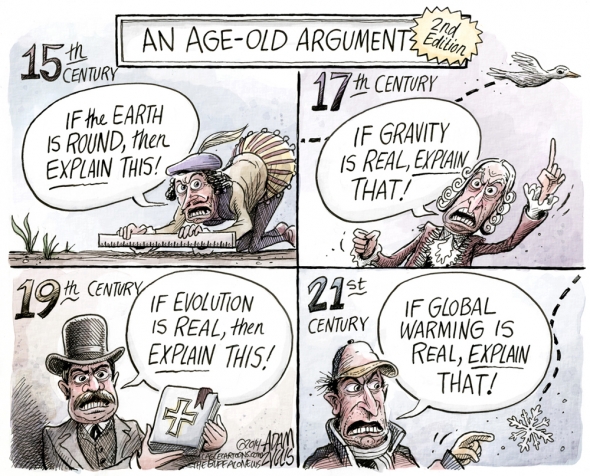
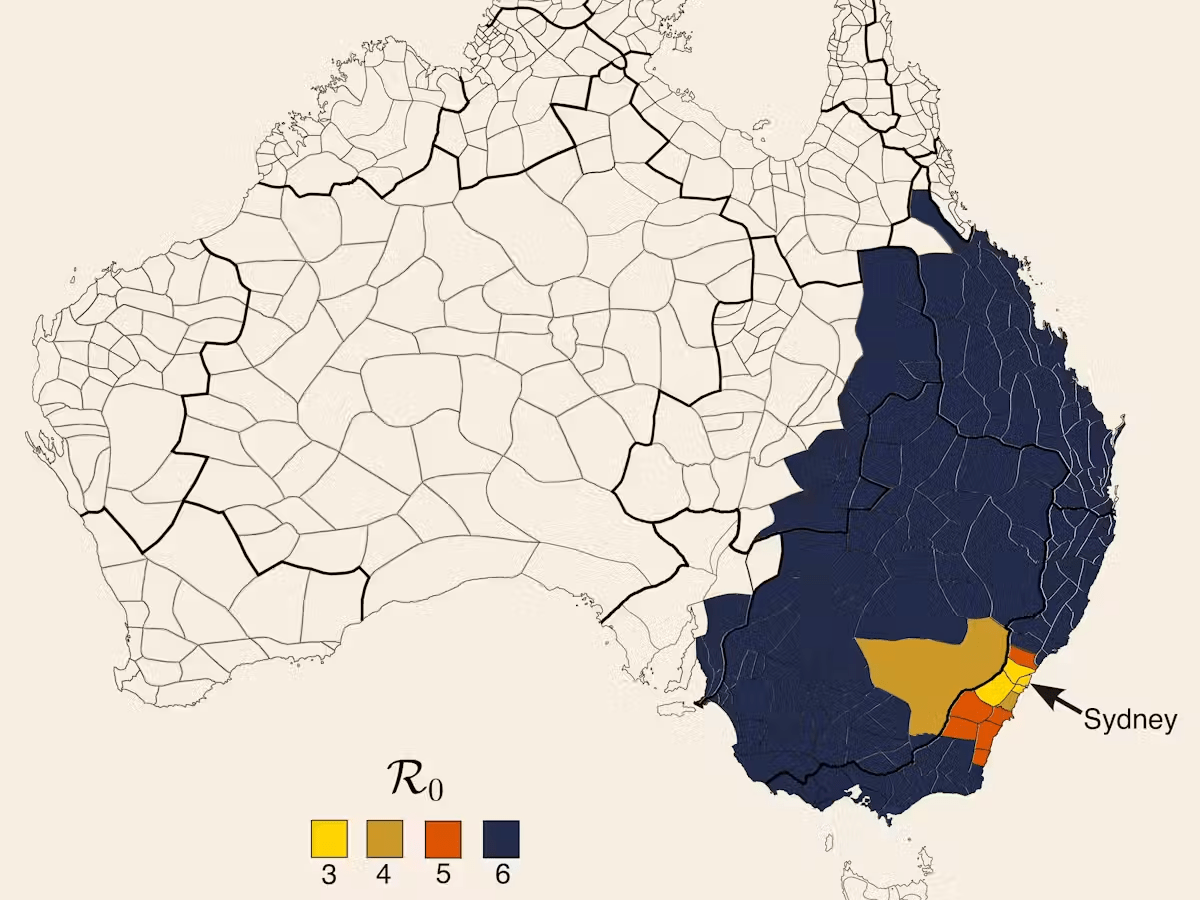
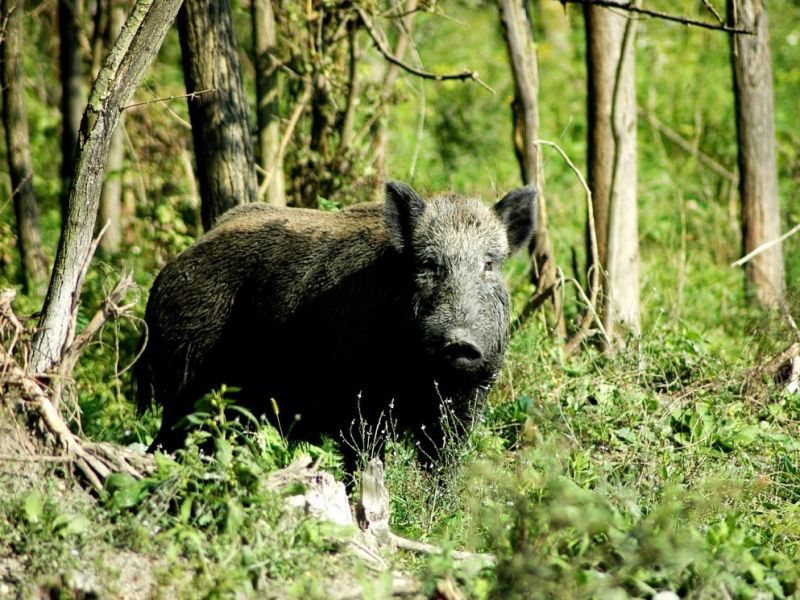
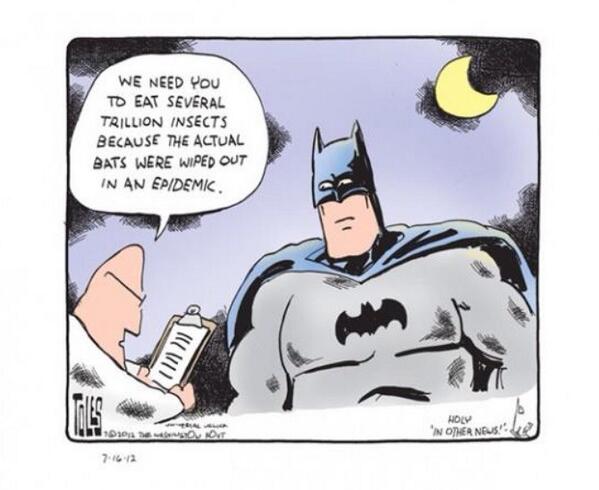
Another six biodiversity cartoons for your midday chuckle & groan. There’s even one in there that takes the mickey out of some of my own research (see if you can figure out which one). See full stock of previous ‘Cartoon guide to biodiversity loss’ compendia here.

—


Share:

  • Share on Bluesky (Opens in new window) Bluesky
  • Share on Mastodon (Opens in new window) Mastodon
  • Share on LinkedIn (Opens in new window) LinkedIn
  • Share on Reddit (Opens in new window) Reddit
  • Share on Facebook (Opens in new window) Facebook
  • Share on Pinterest (Opens in new window) Pinterest
  • Share on Tumblr (Opens in new window) Tumblr
  • Share on Telegram (Opens in new window) Telegram
  • Share on WhatsApp (Opens in new window) WhatsApp
  • Email a link to a friend (Opens in new window) Email
  • Print (Opens in new window) Print
Like Loading...

Related

« Rich and stable communities most vulnerable to change Inexorable rise of human population pressures in Africa »


Actions

  • rss Comments RSS
  • trackback Trackback

Information

  • Date : Thu, 25 Aug 2016
  • Tags: biodiversity, climate change, Coal, ecosystem services, extinction, Global warming, politics, Population, science, science denial, trophy hunting
  • Categories : cartoon, conservation, ecosystem function, ecosystem services, environmental policy, science

Leave a comment Cancel reply


The science of ... saving life

CJAB

CJAB

I am the Matthew Flinders Professor of Global Ecology at Flinders University.

View Full Profile →

Follow ConservationBytes.com on WordPress.com

Stats

  • 3,452,252 views
  • GitHub
  • Google
  • Bluesky
  • Mastodon
  • Facebook
  • LinkedIn
  • Instagram
  • SoundCloud

Top Posts

  • Conservation research rarely equals conservation
    Conservation research rarely equals conservation
  • Ecology: the most important science of our times
    Ecology: the most important science of our times
  • Software tools for conservation biologists
    Software tools for conservation biologists
  • Lomborg: a detailed citation analysis
    Lomborg: a detailed citation analysis
  • Conservation quotes: Attenborough to Irwin
    Conservation quotes: Attenborough to Irwin
  • Does the pope wear a funny hat?
    Does the pope wear a funny hat?
  • Psychological toll of being a sustainability scientist
    Psychological toll of being a sustainability scientist
  • How to write a scientific paper
    How to write a scientific paper
  • Global human population pushing Earth past breaking point
    Global human population pushing Earth past breaking point
  • Killing (feral) cats quickly (and efficiently)
    Killing (feral) cats quickly (and efficiently)
Aug 2016
M T W T F S S
1234567
891011121314
15161718192021
22232425262728
293031  
« Jul   Sep »

RECENT POSTS

Global human population pushing Earth past breaking point

Global human population pushing Earth past breaking point

A recent paper, co-authored with the late Paul Ehrlich, reveals that the global human population has surpassed Earth’s sustainable capacity. It highlights the dire implications for food security, climate stability, and wellbeing. The study underscores that immediate changes in consumption and population management are crucial for a sustainable future.

CJAB's avatar by CJAB Thu, 23 Apr 2026Thu, 23 Apr 2026
Protecting the biodiversity brand through sport

Protecting the biodiversity brand through sport

Using animals as sport symbols reflects the integration of biodiversity into cultural identity and the transmission of collective values. This raises the possibility that the economic muscle of the sport industry could translate its symbolic capital into tangible commitments to biodiversity conservation. Those who have had the privilege of travelling in remote areas might have…

CJAB's avatar by CJAB Wed, 15 Apr 2026Fri, 17 Apr 2026
When noise signals danger

When noise signals danger

Under the sea where there is little or no light, the foraging, communication, and orientation of whales and many other marine animals depend on sound. But increasing human activity has transformed the soundscape of seas and oceans. This change affects the behaviour of species and presents challenges in managing a problem of global scale. Many…

CJAB's avatar by CJAB Fri, 10 Apr 2026Wed, 15 Apr 2026

Links

    Log in


    Create a website or blog at WordPress.com
    • Comment
    • Reblog
    • Subscribe Subscribed
      • ConservationBytes.com
      • Join 2,778 other subscribers.
      • Already have a WordPress.com account? Log in now.
      • ConservationBytes.com
      • Subscribe Subscribed
      • Sign up
      • Log in
      • Copy shortlink
      • Report this content
      • View post in Reader
      • Manage subscriptions
      • Collapse this bar
    %d